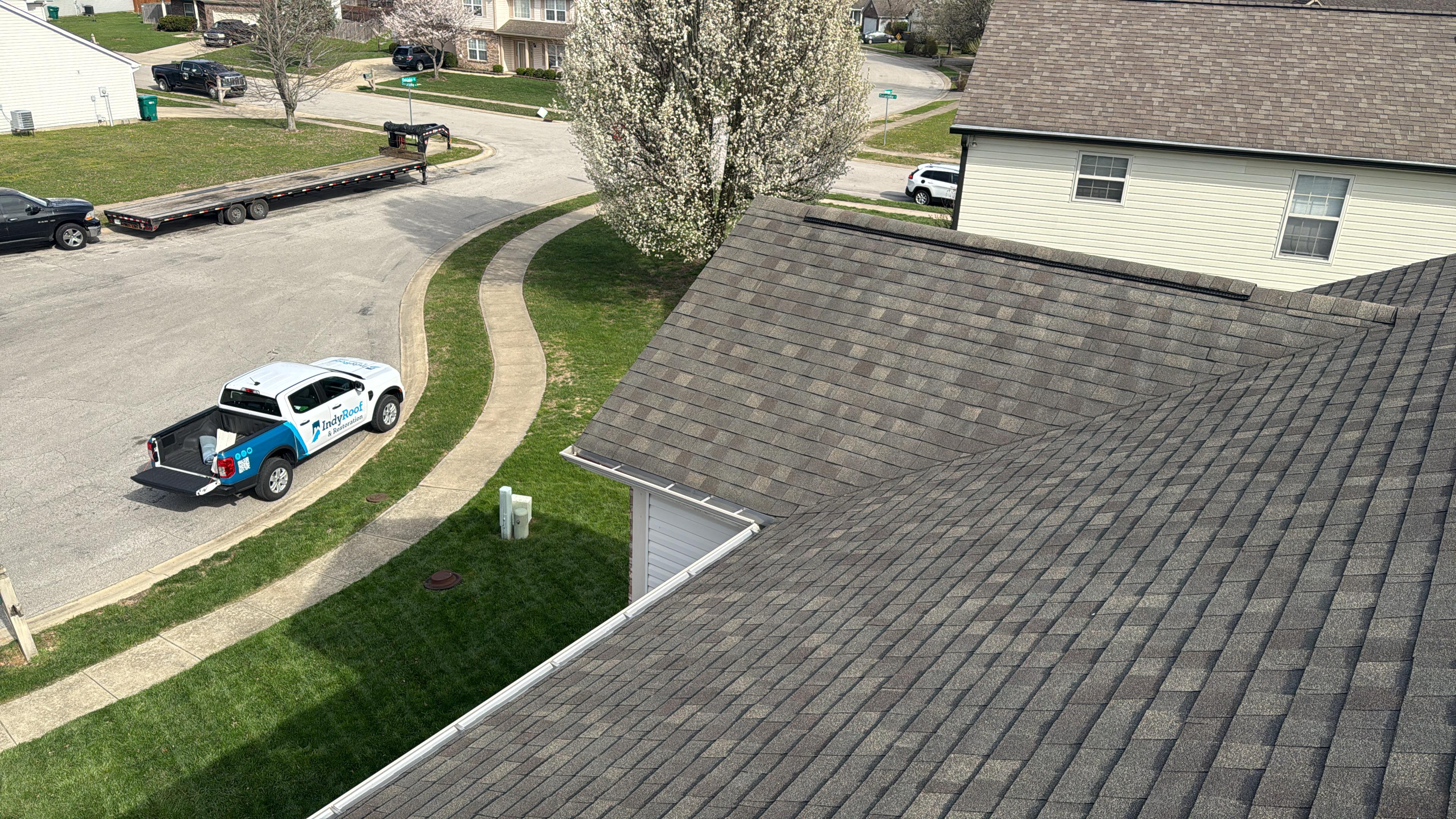
A Complete Guide to Black Streaks on Your Roof
Black streaks on a roof are a common concern, and understanding them helps a Bridgewater Club homeowner address them properly. This guide covers the cause, whether the streaks are harmful, safe cleaning, why pressure washing is a problem, professional cleaning, prevention, algae resistant shingles, and surrounding conditions. The recurring theme is that the streaks are usually algae, largely cosmetic, removed safely with gentle low pressure methods rather than pressure washing, with prevention helping slow regrowth. Because roof cleaning involves working at height and using the right method, having a professional handle the cleaning and any inspection is often the safest choice, so understanding the cause and using safe methods keeps the roof looking good without harming it for your home.
Causes and Solutions at a Glance
The table below summarizes the cause of black streaks and how to address them. Treat it as a quick reference, since the right approach depends on your roof's condition. The recurring theme is that the streaks are usually a cosmetic algae issue addressed with gentle methods and prevention for your home.
| Aspect | What to Know |
|---|---|
| Cause | Algae spread by airborne spores |
| Severity | Largely cosmetic in most cases |
| Removal | Gentle low pressure soft wash |
| Avoid | Pressure washing, which can damage shingles |
| Prevention | Resistant shingles, inhibiting metals, airflow |
Whether They Are Harmful
In most cases the streaks are largely cosmetic, affecting the roof's appearance rather than causing major damage, though related growth like moss can be more of a concern and the issue is still worth addressing. For a Bridgewater Club homeowner, the streaks are usually a cosmetic concern. Because the algae is mostly a surface growth, it generally does not cause significant structural harm, though moss or lichen can hold moisture and warrant attention, so understanding that the streaks mainly affect appearance, while addressing them for curb appeal and to prevent worse growth, helps you weigh how to handle them, with a professional inspection clarifying whether any related issues exist on the roof for your home.
Surrounding Conditions
The surrounding conditions, especially shade and moisture from overhanging trees, influence algae growth, so addressing them supports prevention. For a Bridgewater Club homeowner, managing the surroundings helps keep algae down. Because algae thrives in damp, shaded spots, letting more sun reach the roof and improving airflow by trimming overhanging branches, where appropriate and done safely, reduces the conditions that favor growth, so managing the surroundings complements cleaning and other prevention, helping the roof dry and stay cleaner, which is why considering shade and moisture is a practical part of preventing streaks, alongside inhibiting elements and resistant materials, for your home, so address the conditions where you can.
Why Not Pressure Wash
Pressure washing is not recommended, since the high pressure can dislodge the protective granules on shingles and force water under them, causing damage that can shorten shingle life. For a Bridgewater Club homeowner, pressure washing can harm the roof more than the streaks. Because shingles rely on their granule surface and proper water shedding, the force of pressure washing can strip granules and drive water where it should not go, so rather than pressure washing, a gentle, low pressure approach safely removes the algae while protecting the roof, which is why avoiding pressure washing matters, making soft wash methods the right choice for removing streaks without harming the shingles for your home.
Professional Cleaning
Professional cleaning addresses both the correct method and the height risk, with a professional using low pressure and appropriate solutions to clean the roof safely and effectively. For a Bridgewater Club homeowner, professional cleaning is often the safest choice. Because roof cleaning involves working at height and using the right approach, a professional with the proper equipment and experience can clean the roof without harming it or risking a fall, so rather than a risky DIY effort or the wrong method, having a professional soft wash the roof addresses the algae properly while keeping you safe, which is why many homeowners have a professional handle roof cleaning for your home. Bridgewater Club Roofing provides roof cleaning for Bridgewater Club homeowners.
The Cause
The cause of the streaks is a type of algae that grows on roofing, appearing as dark stains running down the slope, with the dark color from the algae's protective coating. For a Bridgewater Club homeowner, recognizing algae as the cause clarifies the approach. Because the streaks are a living growth rather than surface dirt, addressing the algae with an appropriate method is what removes them, so simply rinsing does not work well, which is why understanding that the cause is algae, feeding on elements in the roofing materials and spreading by airborne spores, helps you choose proper, gentle cleaning rather than ineffective or harmful methods, so the streaks are an algae growth calling for the right approach for your home.
Prevention
Prevention helps slow regrowth since spores are always present, and it includes addressing conditions and using inhibiting elements. For a Bridgewater Club homeowner, prevention keeps the roof cleaner longer. Because the spores return after cleaning, reducing shade and moisture, improving airflow, adding zinc or copper elements near the ridge, and choosing resistant materials help discourage regrowth, so combining cleaning with prevention gives a more lasting result, which is why thinking about prevention alongside removal, rather than just cleaning repeatedly, helps keep the streaks from quickly returning, so a combined approach of cleaning plus prevention is the more durable path for managing roof algae for your home.
Algae-Resistant Shingles
Algae resistant shingles are made with granules, often containing copper or zinc, that help inhibit algae growth and are an option when replacing a roof. For a Bridgewater Club homeowner, these shingles can help a new roof resist streaking. Because copper and zinc inhibit algae, shingles incorporating these granules tend to resist streaking better than standard shingles, so if you are replacing your roof, choosing algae resistant shingles can help keep it cleaner over time, which is why this is worth considering at replacement, with the specifics of any product confirmed with the installer, so algae resistant shingles are a preventive option to discuss when planning a new roof for your home, with an installer advising on the choices.
Cleaning Safely
Cleaning safely uses low pressure and appropriate cleaning solutions to address the algae without harming the shingles, followed by a gentle rinse, ideally done by a professional. For a Bridgewater Club homeowner, a soft, low pressure approach is the safe way to clean. Because the goal is to remove the algae without stripping granules or forcing water under shingles, a gentle method with the right solution is both effective and safe, so rather than aggressive scrubbing or pressure washing, a soft wash approach removes the streaks while protecting the roof, which is why professionals favor it, so careful, low pressure cleaning, handled safely at height, is how the algae is removed without harm for your home.
Summary
In summary, black streaks are usually algae, largely cosmetic, removed safely with gentle low pressure methods rather than pressure washing, with prevention like resistant shingles, inhibiting metals, improved airflow, and ongoing maintenance helping slow regrowth. For a Bridgewater Club homeowner, the streaks are a manageable cosmetic issue handled with the right approach. Bridgewater Club Roofing provides roof cleaning, inspection, and maintenance for Bridgewater Club homeowners and can address algae safely. Because roof cleaning involves height and the right method, a professional is often the safest choice, so understanding the cause and using safe methods keeps the roof looking good. Call (765) 978-3528 for cleaning or an inspection for your home.