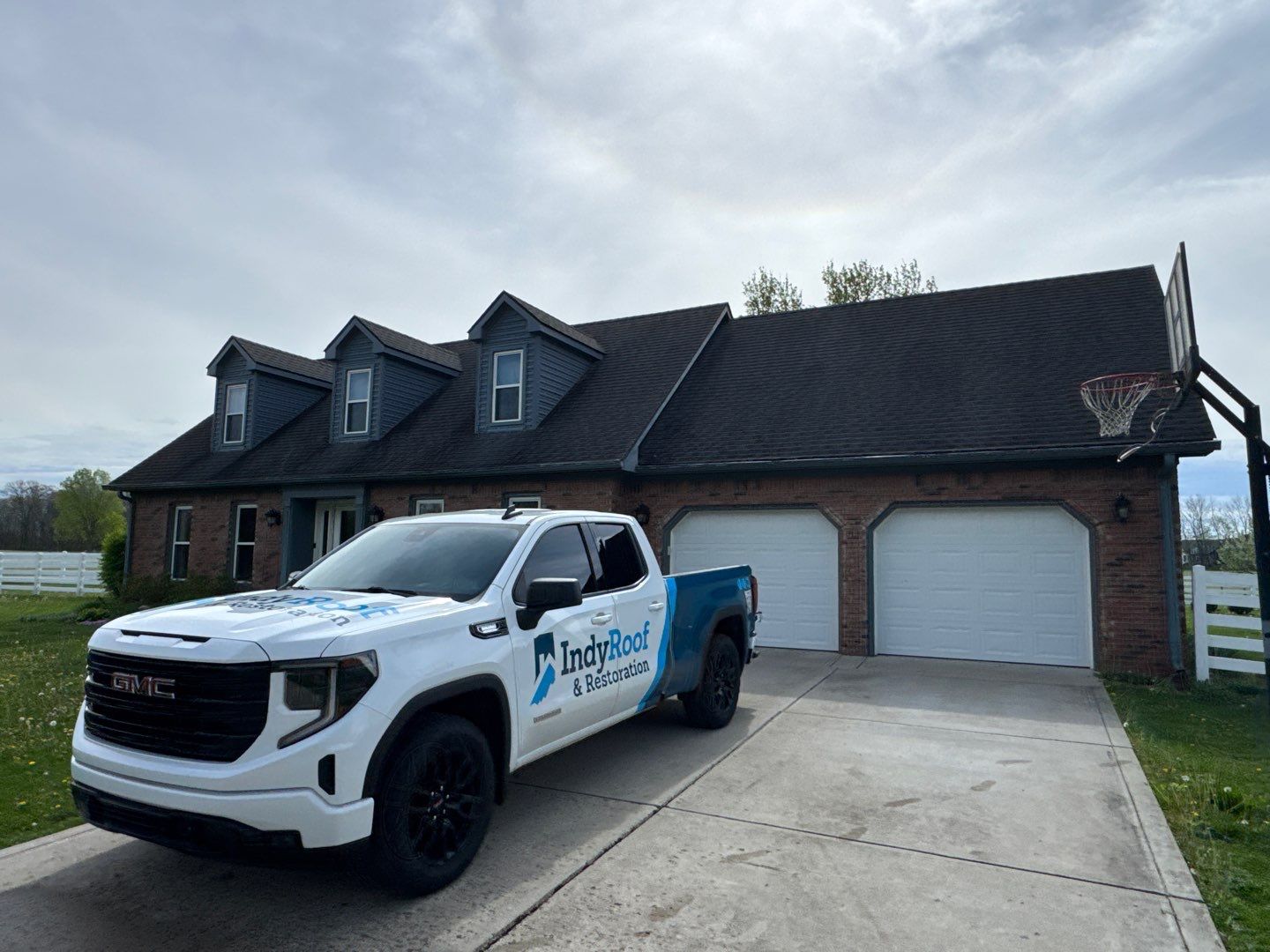
Quick Answer: One to Three Days for Most Homes
Most asphalt roof replacements on a typical Bridgewater Club home take one to three days of actual work. A smaller, straightforward roof can be done in a single day, while a larger or more complex one runs two to three. That is the install itself, meaning the tear off, the dry in, and the new roof going on. The broader project, counting the estimate, permits, material delivery, and scheduling, spans a few weeks from start to finish. The install duration depends mostly on the roof's size and complexity, the material, and the weather, and a few surprises like rotted decking can add a little time. For a Bridgewater Club homeowner planning around the work, the rule of thumb is to expect a couple of days on site for asphalt and longer for premium materials.
What Determines How Long It Takes
Several factors decide where a given roof lands in the range. The size of the roof, measured in squares, is the biggest one, since more surface simply takes more time. Complexity matters just as much, because valleys, dormers, chimneys, skylights, and steep pitches all slow a crew down compared to a simple gable roof. The material is a major factor too, with asphalt going on fastest and metal, tile, and slate taking considerably longer. Weather can pause work entirely. Accessibility, crew size, and the number of old layers to tear off all play a role as well. None of these act alone, so the timeline is really the combination of the roof, the material, and the conditions on the days the crew is working.
The Whole Project Timeline
The install is only part of the story, and the full project takes longer than the days the crew is on the roof. After you get an estimate and sign, there is usually a permit to pull, materials to order and deliver, and a spot to secure on the contractor's schedule, which can mean a lead time of days to a few weeks depending on how busy they are and the time of year. The install itself then takes its one to three days, followed by cleanup and often a final inspection. So from the first conversation to the finished roof, a Bridgewater Club homeowner should plan on a few weeks overall, even though the disruptive part is short.
A Typical Day by-Day Breakdown
For a standard asphalt replacement, the work follows a predictable rhythm. On the first day, the crew protects the property, tears off the old roofing down to the decking, inspects the wood, and begins installing the underlayment and new shingles. On a small roof, they may finish that same day. On a larger one, day two continues the shingle installation and handles the detail work, including flashing around penetrations and the ridge cap. Cleanup happens throughout and especially at the end, including running a magnetic sweep for stray nails. If the roof is complex or the weather interrupts, the work may extend into a third day. Knowing this rhythm helps a Bridgewater Club homeowner anticipate the noise and activity rather than being caught off guard.
What Can Cause Delays
A few things commonly extend a roof replacement. Weather is the biggest, since rain stops work and a responsible crew will not leave a roof open to the elements, so a wet stretch can push the schedule. Rotted or damaged decking discovered during tear off adds time, because the bad wood has to be replaced before the new roof goes on. Complex features, a steep pitch, and multiple old layers to remove all slow things down. Permit timing and material delivery can introduce delays before the work even starts. None of these are unusual, and a good Bridgewater Club contractor builds some buffer into the plan, but they are worth knowing so a short overrun does not come as a surprise.
Roof Size and Complexity
A roof's size and shape set the pace more than almost anything else. Roofers measure area in squares, where one square equals a hundred square feet, and a larger home naturally has more squares to cover. Beyond raw size, the layout matters. A simple roof with two large planes goes quickly, while a cut up roof full of valleys, hips, dormers, and penetrations takes longer because each of those features needs careful flashing and detail work. Pitch adds time too, since a steep roof is slower and requires more safety setup than a walkable one. So two homes of similar square footage can have very different timelines if one is a simple slope and the other is an intricate, steep roof with many features for the Bridgewater Club crew to work around.
What to Expect While It Happens
During the install, a Bridgewater Club home becomes a busy worksite for a day or two. Expect significant noise from the tear off and nailing, a dumpster in the driveway, and crew vehicles parked nearby, so plan to move your cars and clear access. Debris falls around the perimeter, though the crew tarps and cleans as they go and does a thorough sweep at the end. It is wise to keep pets and small children inside and away from the work area, and to remove or secure anything fragile in the attic, since vibration can shake loose dust and small items. The disruption is real but brief, and a tidy crew leaves the property clean when they finish. The timeline for a given home depends on factors like the roof size, the complexity of the job, the material, and the weather, so a professional can give you a realistic estimate for your situation. Because conditions can shift the schedule, a reputable roofer keeps you informed about the expected timing and any adjustments along the way. Rather than assuming a fixed duration, asking the contractor what to expect for your home gives you a clear sense of the schedule. A professional who has assessed your roof can explain how long the work should take and what factors might affect it. Planning around a realistic timeline, with a professional's guidance, helps the replacement go smoothly for your home. For a clear sense of how long your roof replacement will take, a measured assessment from a reputable roofer is the dependable guide. The timeline for a given home depends on factors like the roof size, the complexity of the job, the material, and the weather, so a professional can give you a realistic estimate for your situation.
Material Makes a Big Difference
What you put on the roof strongly affects how long it takes to install. Asphalt shingles are the fastest mainstream material, which is part of why most replacements finish in one to three days. Metal roofing takes longer, often several days to a week, because the panels require precise measuring, cutting, and fastening. Tile and slate are the most time intensive, sometimes a week or two, since they are heavy, installed piece by piece, and may require structural preparation. Synthetic materials fall somewhere in between. So when a Bridgewater Club homeowner weighs materials, the install timeline is one more factor alongside cost and lifespan, with the longer lasting premium materials generally asking for more days on site.